


Are Your Cameras Capturing the Right Footage?
Eliminate Common Coverage Gaps With a Professional Assessment
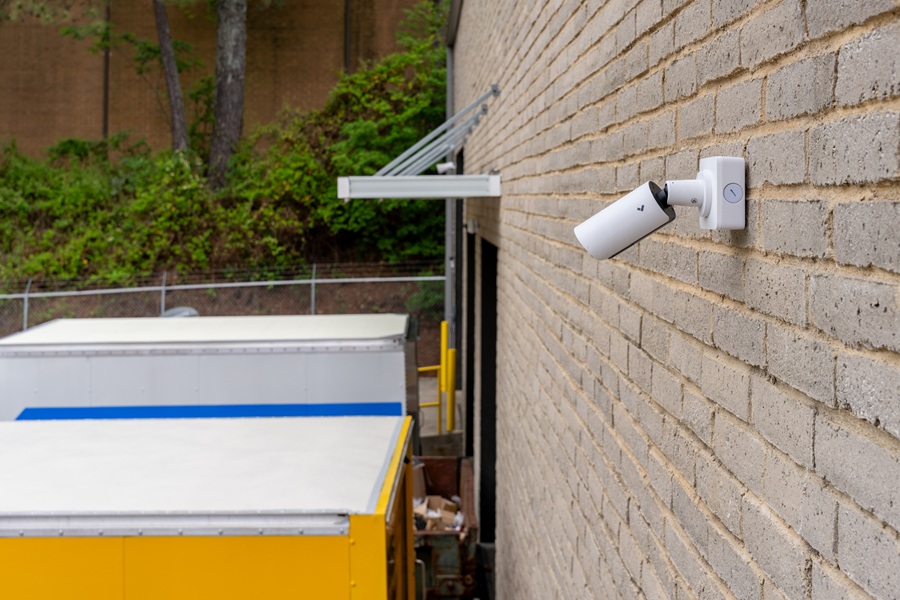
Many business owners in McAllen invest in high-end surveillance hardware only to realize, after an incident occurs, that the critical moment happened in a blind spot or was obscured by poor lighting. This false sense of security is a common trap. Having cameras mounted on your building does not necessarily mean you have a functional security system. A "set it and forget it" approach often fails because architectural changes, improper mounting heights, or inadequate lens selection prevent the system from capturing usable data.
A commercial video surveillance system is only as effective as the planning behind the lens. A proactive field of view (FOV) assessment and professional installation help you collect evidence rather than just footage.
SEE MORE: Smart Commercial Security Cameras: Always On and Watching
The Science of Coverage
The most important thing in generating valuable footage is getting the proper Field of View in your property. This is done by balancing wide-angle lenses for general awareness with narrow, varifocal lenses for high-detail identification. When you don’t carefully consider your Field of View you end up with common coverage gaps:
- The "Top-of-Head" Problem: Cameras mounted too high—often above 12 feet—fail to capture facial details, providing only a view of a person’s scalp or hat.
- Lighting and Glare: The intense South Texas sun or bright LED parking lot lights can "blind" a camera sensor and create washed-out images. Systems without Wide Dynamic Range (WDR) struggle to balance these high-contrast environments.
- New Obstructions: Security layouts are often static, but businesses are dynamic. New inventory shelving, seasonal foliage, or equipment upgrades can create "dead zones" that weren’t there before.
A precise Field of View is also the foundation for modern AI-driven analytics. Features like loitering detection or "line-crossing" alerts rely on high-quality visual data within a specific zone to function accurately. When your FOV is properly calibrated, these systems move beyond passive and alert you to suspicious activity in real-time, rather than discovering an incident days later during a manual review.
Your 5-Point Surveillance Evaluation Checklist
You can begin assessing your current system by walking your property and asking several specific questions regarding your coverage and integration:
- Identify Choke Points: Do you have clear, eye-level facial shots at every entry and exit point?
- Test the Night Vision: Does your infrared (IR) illumination reach the furthest corners of your property, or is the perimeter a "black hole" after dark?
- Audit the Dead Zones: Are there areas behind dumpsters, HVAC units, or corners where no two cameras provide overlapping coverage?
- Verify Resolution vs. Distance: Can you clearly read a license plate in the parking lot or is the image too pixelated?
- Check Integration: Do your surveillance cameras communicate with your access control? Ideally, video should be "tagged" automatically when an unauthorized door is opened or a credential is used.
Professional Integration vs. DIY Guesswork
Off-the-shelf surveillance components are available, but they rarely account for the specific environmental and architectural challenges of a commercial facility. Engaging a professional integrator early allows your security technology to be designed alongside your operation. This professional design process begins with a comprehensive site survey to map your facility’s unique layout against your specific security goals.
Rather than placing cameras where they are easiest to wire, an integrator identifies critical points of interest—such as high-value inventory zones or employee entrances—and selects specialized lenses to cover them. By planning for these variables from the start, you avoid the cost of retrofitting equipment later and keep your system scalable as your business grows.
Don't wait for a security breach to discover your blind spots. Contact our team today for a professional assessment of your commercial video surveillance needs to ensure your business is fully protected.


